People

Our team

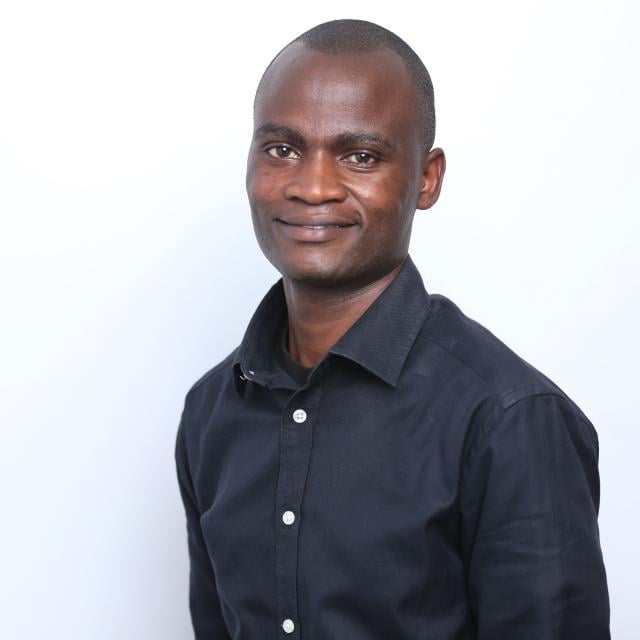
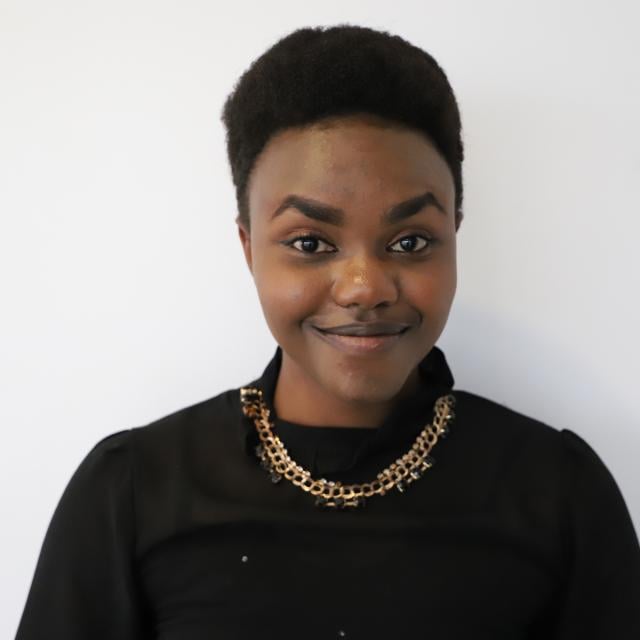
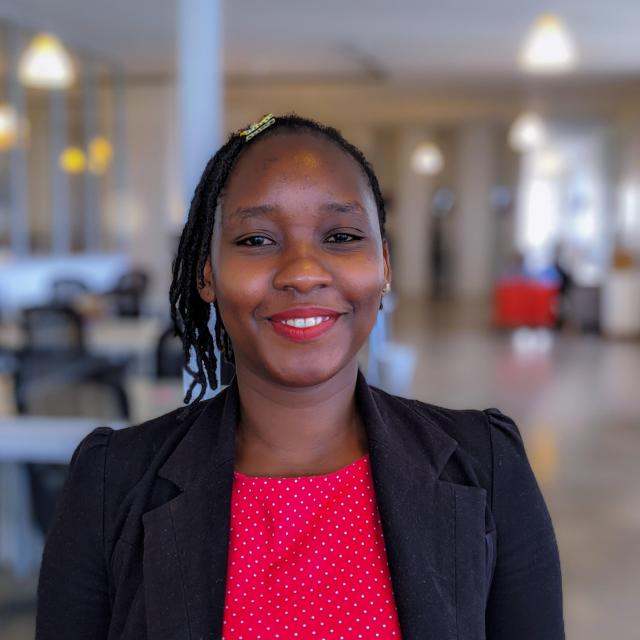
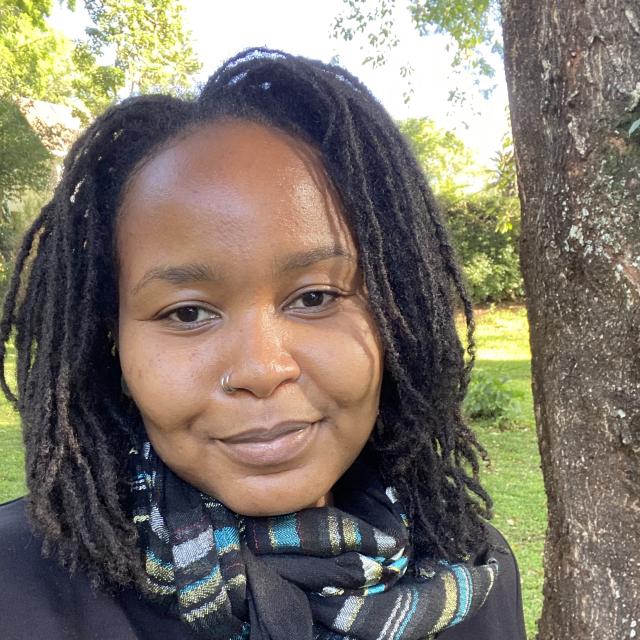
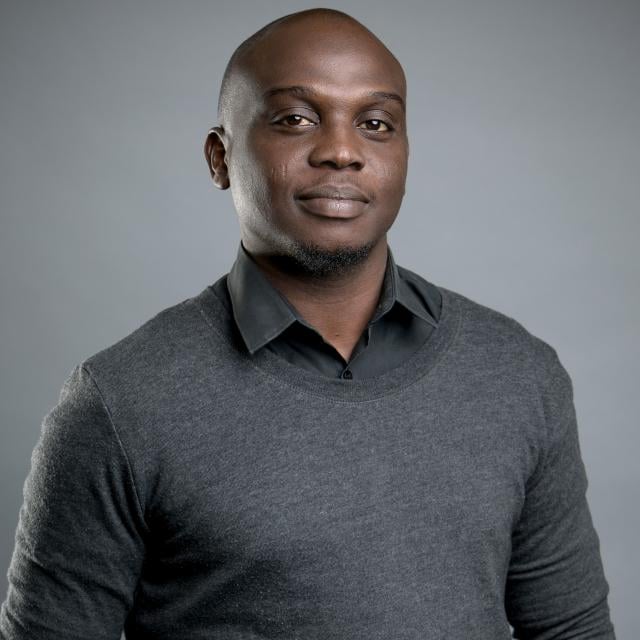
Julian Rademeyer, Africa Check editor for southern Africa, is an award-winning South African investigative journalist with close to 20 years’ experience in newspapers, from City Press and the Sunday Times to the Mail & Guardian and News24. From January 2009 to January 2012 he was chief reporter, investigations, at Media24, taking the lead on key investigations for  newspapers in the group. In 2012 he produced his first book, the best-selling Killing for Profit – Exposing the illegal rhino horn trade. He has reported from across Africa and elsewhere, from Namibia and Somalia to Syria and Lebanon.

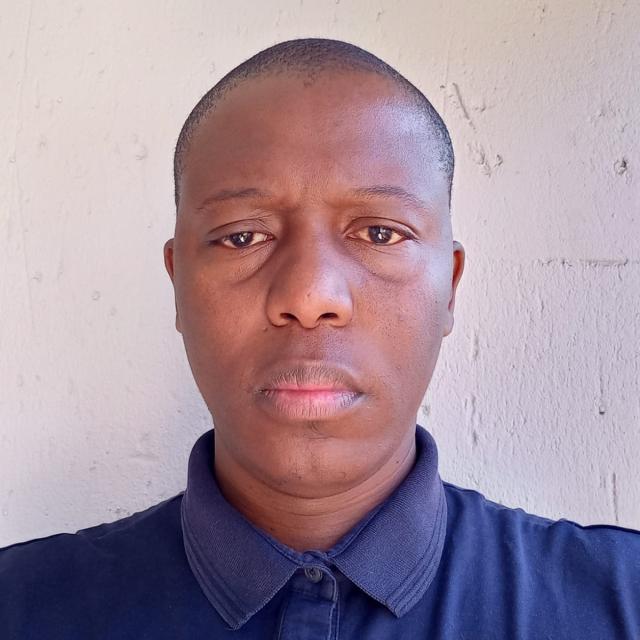
Katlego Disemelo joined the Africa Check team in May 2013 as a researcher. He completed his Joint Honours degree in English Literature and Philosophy in 2012 at the University of the Witwatersrand, Johannesburg. Katlego has worked extensively in print media and community/commercial television production. His research interests lie particularly in the areas of race and representation in post-apartheid media. He is currently completing his MA in Media Studies at the University of the Witwatersrand.

Peter Cunliffe-Jones, Africa Check Director, has been a journalist for more than twenty years. Since joining the AFP news agency in London in 1990, he has lived and worked in the Balkans, reporting on the Bosnian war, in Lagos as Nigeria bureau chief and in Hong Kong as chief editor for Asia. He has written for the Economist, the Independent and the Guardian and provided commentary for Al Jazeera, the BBC and CNN. He joined the AFP Foundation in 2011 as deputy director after five years running the AFP online service. His book ‘My Nigeria – Five decades of independence’ was called “a triumph” by Chinua Achebe.
 

Our board

Ben Goldacre is well known as the author of Bad Science, a column in the Guardian newspaper with a record of exposing flaws in the scientific basis for claims made by public figures, companies and the mass media about health and science. A medical doctor and a research fellow at the London School of Hygiene and Tropical Medicine, his book Bad Science sold more than 400,000 copies in the UK and was a Sunday Times number one bestseller. Ben, who obtained a first class degree in medicine at Oxford University and a Masters in philosophy from Kings College London, has been awarded various honorary degrees for his contribution to the public understanding of science.

Eric Chinje provides the board with a wealth of experience of the media and development in Africa from his time as a journalist in his native Cameroon to that spent in major development institutions: he was head of external affairs and communications at both the World Bank (Africa Region) and the African Development Bank and led the World Bank Institute’s Global Media Program. Eric played a key part in the founding of the African Media Initiative and, since January 2012, has been director of strategic communications at the Mo Ibrahim Foundation. He is also Vice-President of the African Advisory Committee of the National Museum of African Art at the Smithsonian Institute, in Washington D.C.

Nicola Tallett brings to the board extensive experience of fundraising in the non-profit sector. She started her career at the group World Vision in 1993 and during the Rwanda genocide developed a programme resulting in unprecedented income for an emergency appeal. In 2000, she joined the group Children’s Aid Direct and from 2002 to 2010 worked with Action for Children, driving fundraising and marketing performance. Since 2010, she has been employed as Director of Fundraising and Marketing at the MS Society UK, the UK’s leading charity for people with multiple sclerosis. Nicola has been a trustee of the Reading Single Homeless Project since December 2002.

Robert Holloway, the chairman of the board, is the director of the AFP Foundation, the not-for-profit media development arm of the international news agency AFP. He began his journalism career covering the 1974 revolution in Portugal and reported for various publications from the Middle East from 1978 until 1984. Since joining AFP in 1988 he has been deputy chief editor, UN correspondent and head of the English service. While at the UN, he coordinated the team of AFP journalists and photographers in New York covering the 9/11 attack. Robert has taught at schools of journalism in France and at the United Nations and trained AFP’s own staff in the Middle East and Africa.

Roger Frimpong provides the board with more than 15 years of experience of running the financial and administrative side of charities. Educated in Ghana and the United Kingdom, Roger took his diploma in accounting in 1987, became a fellow of the Association of Chartered Certified Accountants in 2004 and is today head of finance at Samaritans, a major UK charity, responsible for the day to day oversight of the finance department, providing strategic direction and reporting on statutory compliance on all matters financial. Before working in the charity sector he developed experience of accounting in the fields of merchant banking, the law and insurance and commodity brokerage.

Advisors

Anton Harber is the Caxton Professor of Journalism at Wits University and chair of South Africa’s Freedom of Expression Institute. He was a founding editor of the Weekly Mail (now the Mail & Guardian) and an executive director of Kagiso Media. He wrote Diepsloot (Jonathan Ball, 2011), winner of the Recht Malan Prize, and co-edited the first two editions of The A–Z of South African Politics (Penguin, 1994/5), What is Left Unsaid: Reporting the South African HIV Epidemic (Jacana, 2010) and Troublemakers: The best of SA’s investigative journalism (Jacana, 2010).

Contributors & Trainers

Ruth Becker, our first editor, is a contributor to and trainer for Africa Check in South Africa. One of the first journalists employed at the Weekly Mail newspaper, she has worked in print, broadcast and online journalism in South Africa for more than twenty years. Since 2002 her work has focused mainly on the field of health and the use of online and mobile technology and social media to bring health information to the widest community. She is a consultant to the Anova Health Institute, an HIV and AIDS non-governmental organisation. Ruth, who is active in teaching and mentoring journalism students, is currently undertaking a PhD at Wits Journalism.